Cada año, llega un poco más temprano.
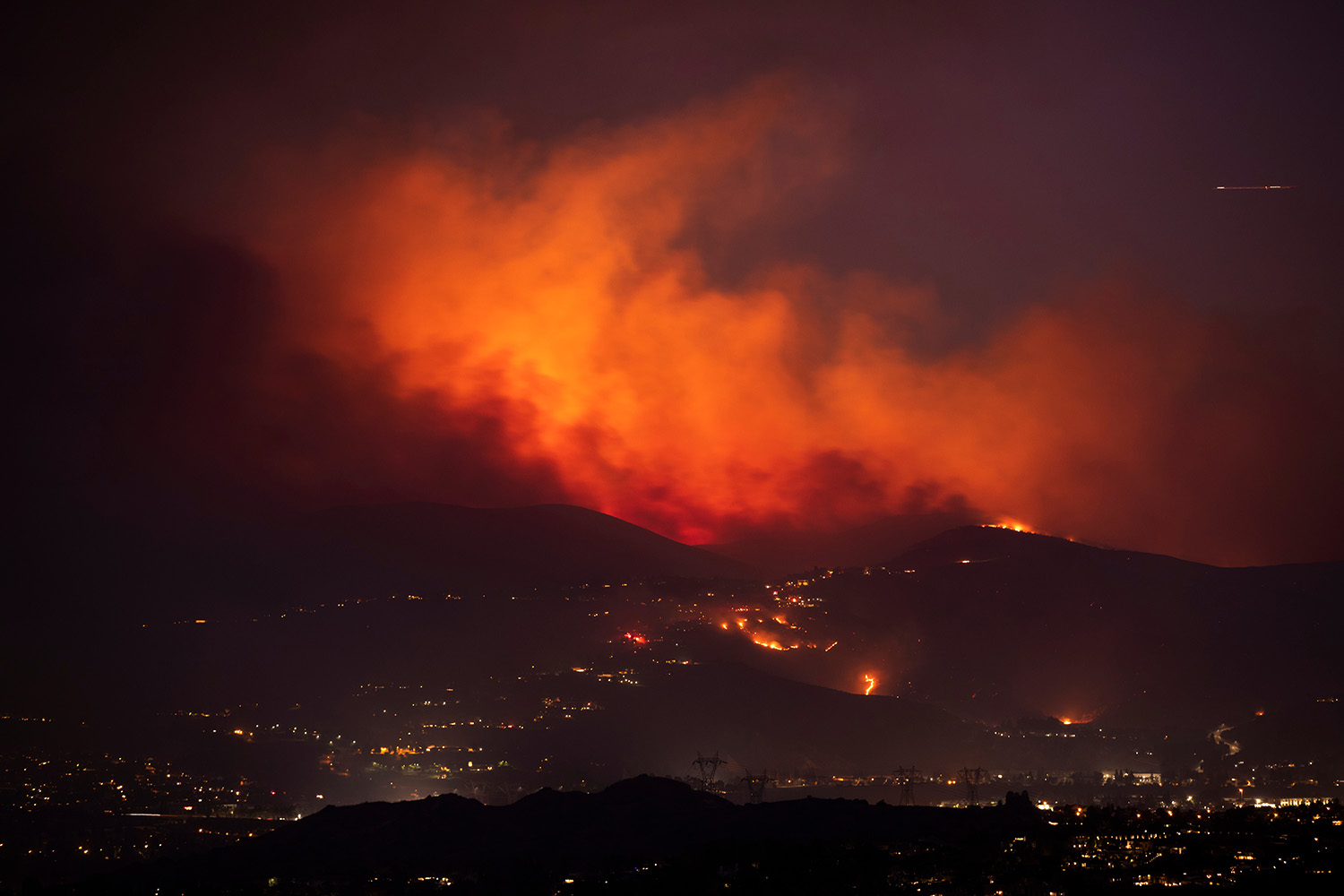
El calor empieza a aparecer a finales de la primavera. Los embalses se reducen. Las praderas se vuelven marrones. El humo aparece en el horizonte. Los pronósticos de huracanes dominan las noticias. Las primas de seguro aumentan. Las alertas de emergencia iluminan nuestros teléfonos.
Entonces alguien actúa sorprendido.
Los científicos se refieren cada vez más a este período como la “temporada de peligro”, los meses en que el calor extremo, los incendios forestales, las inundaciones, los huracanes, la sequía y el humo se superponen en grandes porciones de los Estados Unidos. No es un desastre único. Es una cascada de riesgos interconectados que se alimentan unos de otros.
Este año ya ofrece muchas advertencias.
Una enorme ola de calor marina que se extiende desde California hacia Hawái ha alarmado a los investigadores, quienes temen interrupciones en los ecosistemas marinos, empeoramiento de las sequías y un mayor riesgo de incendios forestales en todo el oeste. Las proyecciones de la NOAA sugieren que el evento podría intensificarse en los próximos meses. Marzo de 2026 también trajo temperaturas récord en gran parte de Estados Unidos, con graves pérdidas de manto de nieve que amenazan el suministro de agua en todo el oeste.
Mientras tanto, la temporada de huracanes comienza oficialmente el 1 de junio. La NOAA predice una temporada relativamente tranquila en el Atlántico en comparación con años recientes, pero los expertos continúan enfatizando un punto crítico: solo basta una tormenta que toque tierra para crear una catástrofe.
El peligro no es meramente el clima en sí.
El peligro radica en cómo seguimos respondiendo a él.
Después de cada ola de calor, los políticos hablan de expandir el aire acondicionado.
Después de cada incendio forestal, las discusiones se centran en la reconstrucción.
Después de cada inundación, se gastan miles de millones de dólares restaurando la infraestructura dañada exactamente donde estaba antes.
Después de cada apagón, las compañías eléctricas proponen nuevas plantas de gas.
Estas respuestas pueden brindar alivio temporal, pero rara vez abordan las fuerzas que hacen que los desastres sean más frecuentes, más costosos y más mortíferos.
Considera el aire acondicionado.
El aire acondicionado salva vidas. Durante eventos de calor extremo, a menudo es la diferencia entre la supervivencia y la muerte.
Sin embargo, muchas ciudades han adoptado silenciosamente una estrategia que se puede resumir en: instalar más aires acondicionados y esperar lo mejor.
Ese enfoque ataca los síntomas en lugar de las causas.
El aire acondicionado no hace nada para enfriar un vecindario lleno de asfalto, concreto y falta de sombra de árboles. No reduce el efecto de isla de calor urbana. No hace que las casas sean más eficientes energéticamente. No ayuda a las personas cuando falla la electricidad.
Una ciudad con árboles que dan sombra, techos reflectantes, mejor aislamiento y centros comunitarios de enfriamiento es inherentemente más resiliente que una que simplemente agrega más aires acondicionados y facturas de servicios públicos más altas. Los impactos relacionados con el calor son prevenibles a través de la planificación, la educación y las inversiones en resiliencia.
El mismo patrón aparece en el país de los incendios forestales.
Cuando los incendios destruyen hogares, la presión pública se centra comprensiblemente en la reconstrucción lo más rápido posible. Sin embargo, reconstruir comunidades idénticas en lugares cada vez más peligrosos garantiza a menudo pérdidas futuras.
Investigadores de la NOAA señalan que el cambio climático ha aumentado significativamente las condiciones de "tiempo de incendios" en todo el oeste de Estados Unidos. El deshielo temprano, las temperaturas más altas y la vegetación más seca crean paisajes que se queman con mayor facilidad y con mayor intensidad.
La solución no puede ser simplemente reconstruir las mismas estructuras en los mismos lugares y esperar resultados diferentes.
La temporada de peligro también está reconfigurando la economía de la propiedad de viviendas.
Las compañías de seguros se están retirando de los mercados de alto riesgo en California, Florida, Luisiana y otros estados. La industria está respondiendo al aumento de las reclamaciones y a la creciente exposición al clima.
Muchos funcionarios electos han propuesto subsidiar las primas o crear nuevas coberturas públicas de seguro. Esas medidas pueden mitigar temporalmente los impactos financieros, pero no reducen el riesgo de inundaciones, el riesgo de incendios forestales, el riesgo de huracanes ni la exposición al calor extremo.
Investigadores climáticos de First Street estiman que las presiones relacionadas con el clima en los seguros podrían eliminar billones de dólares en valor de propiedades en las próximas décadas. Los modelos de riesgo de la organización ahora rastrean la exposición a amenazas de inundaciones, incendios forestales, huracanes, calor y calidad del aire a nivel de propiedad.
El seguro puede diversificar el riesgo.
No puede eliminar el riesgo.
Quizás la respuesta más frustrante llega cada vez que las redes eléctricas se ven sometidas a tensión durante condiciones meteorológicas extremas.
Las empresas de servicios públicos argumentan con frecuencia que la confiabilidad requiere más infraestructura de combustibles fósiles. Más plantas de gas. Más gasoductos. Más almacenamiento de combustible.
La lógica suena razonable hasta que reconoces la contradicción.
El mismo sistema de combustibles fósiles que contribuye a la alteración climática se presenta repetidamente como la solución a las emergencias relacionadas con el clima.
Se parece a tratar la fiebre subiendo el termostato.
Hay alternativas.
La energía solar distribuida, el almacenamiento en baterías, las microrredes, los programas de respuesta a la demanda, las mejoras en la eficiencia energética y las plantas de energía virtuales pueden fortalecer la resiliencia de la red al tiempo que reducen las emisiones. A diferencia de las instalaciones centralizadas de combustibles fósiles, estos recursos se pueden implementar más cerca de donde las personas viven y trabajan, lo que reduce la vulnerabilidad durante las emergencias.
La ironía es difícil de ignorar.
Muchas de las herramientas necesarias para construir resiliencia climática ya existen.
Lo que a menudo falta es la voluntad política de priorizarlas.
La Temporada de Peligro no se experimenta por igual.
Las cargas más pesadas recaen sobre los vecindarios de bajos ingresos, los trabajadores al aire libre, los trabajadores agrícolas, los adultos mayores, los inquilinos y las comunidades ya expuestas a la contaminación industrial. El calor extremo, el humo y las inundaciones magnifican las desigualdades existentes. Una familia con energía solar en el tejado, respaldo de batería y seguro integral experimenta un desastre de manera diferente a una familia que vive de cheque en cheque en un edificio de apartamentos antiguo.
Por eso la resiliencia no es simplemente un desafío de ingeniería.
Es una cuestión de justicia.
Cada verano parece llegar ahora con otro récord. Otra advertencia. Otro desastre de miles de millones de dólares. La base de datos de la NOAA muestra que los costosos desastres climáticos y meteorológicos se han convertido en una característica recurrente de la vida estadounidense en lugar de excepciones raras.
La pregunta ya no es si la Temporada de Peligro es real.
La pregunta es si seguiremos gastando miles de millones adaptándonos a condiciones que empeoran, mientras protegemos las industrias y políticas que ayudaron a crearlas.
Porque si cada verano se siente más peligroso que el anterior, quizás el problema no sea la falta de respuesta a emergencias.
Quizás el problema sea que seguimos tratando los síntomas e ignorando la enfermedad.