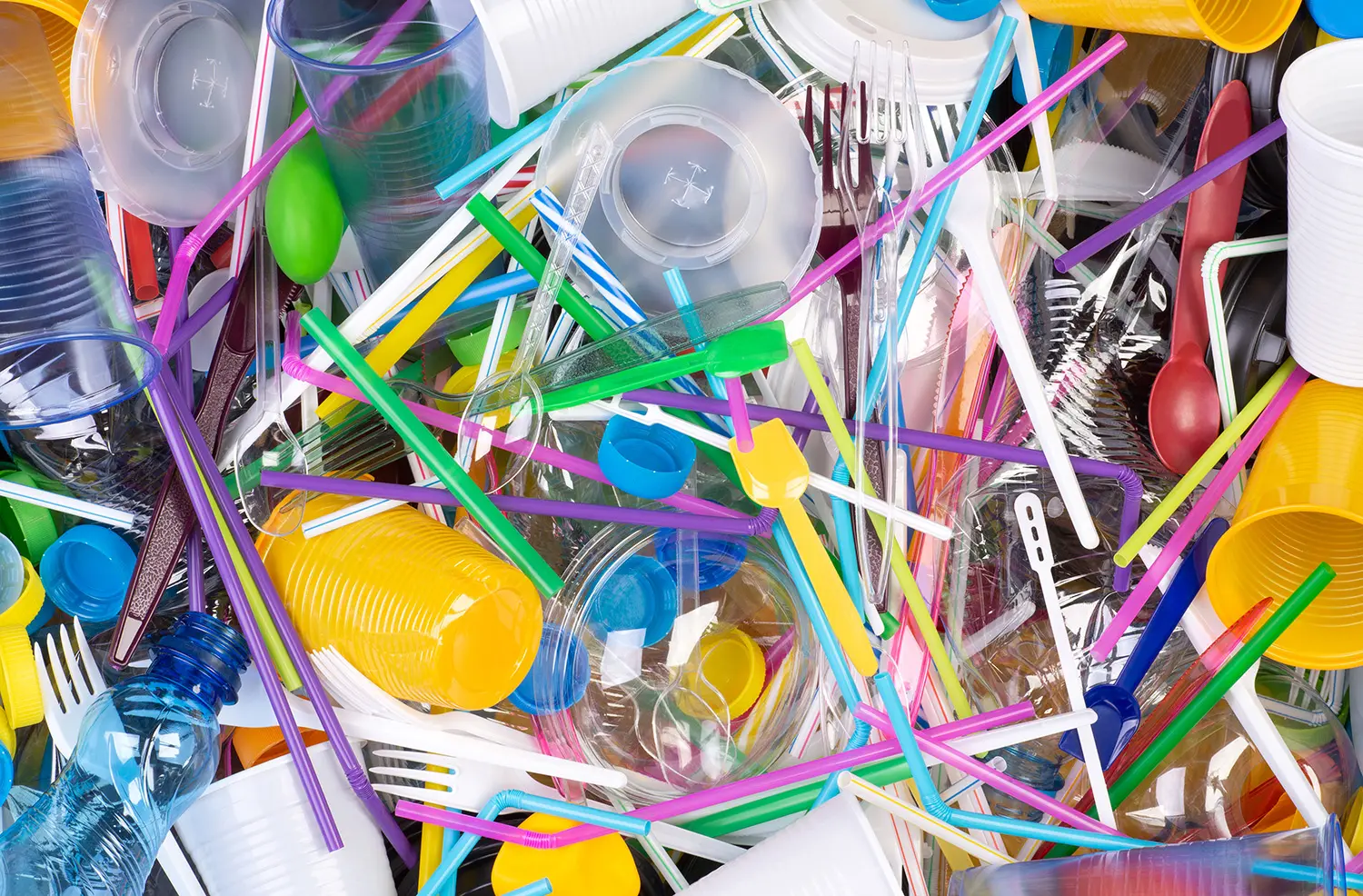
Everywhere you look — in our homes, our oceans, even in our blood — plastic has become the defining footprint of the fossil-fuel age. It began as a miracle material that promised progress and convenience. Instead, it has become one of the planet’s most enduring pollutants.
The global plastics industry now produces over 430 million tons every year, and less than 9% is ever recycled. The rest is burned, buried, or lost to the environment. The rest turns into invisible fragments — microplastics that contaminate the air we breathe, the soil we grow food in, and the water we drink. They have been found in fish, rainwater, and human blood.
The industry’s solution to this crisis has been predictable: blame consumers, greenwash their image, and double down on production. Oil and chemical companies want the public to believe in recycling and “advanced recycling” — a supposedly innovative process that, in practice, means burning or melting plastics back into fuel. It is a costly illusion designed to keep fossil-derived polymers flowing.
But real alternatives exist. Biobased, compostable, or truly reusable systems can match and often outperform petroplastics in performance, cost, and carbon footprint. What stands in the way is not science. It is power.
Plastic is fossil fuel in solid form. About 99% of all plastic is made from oil and gas feedstocks. As clean energy replaces fossil fuels in electricity and transport, petrochemical companies have turned to plastics as their lifeline.
The environmental toll begins at the wellhead. Each kilogram of conventional plastic emits around 6 kilograms of CO₂ through extraction, refining, and polymerization. Once discarded, plastics either linger for centuries or release further emissions through incineration.
And then there is the microplastic problem. Synthetic textiles like polyester, nylon, and acrylic shed tiny fibers with every wash. An estimated half a million tons each year enter waterways, representing about 35% of all microplastics in the ocean. See the International Union for Conservation of Nature analysis: Primary Microplastics in the Oceans.
For decades, the plastics lobby has spent millions marketing recycling as the solution to its own pollution. Investigations by NPR and Frontline revealed that oil and chemical companies knew as early as the 1980s that plastic recycling was economically unviable. See Plastic Wars.
Still, the public was told to sort, rinse, and feel virtuous. Meanwhile, most plastic collected for recycling either ends up in landfills or is exported to countries without proper waste management. Today’s buzzword is advanced recycling, sometimes called chemical recycling or pyrolysis. The promise is to convert waste plastic back into oil or new polymers. The reality is that most facilities underperform, shut down, or burn plastic into low-grade fuel, emitting more CO₂ per ton than producing virgin plastic. See the Center for International Environmental Law report Beyond Recycling: Reckoning with Plastics in a Circular Economy and coverage in The Guardian.
It is easy to forget that plastic did not always dominate daily life. Before the petrochemical boom, packaging was glass, metal, paper, or natural fiber. Tools were wood and steel. Textiles were cotton, hemp, or wool. None of these materials required permanent pollution.
Below we compare alternatives using four criteria: performance, cost effectiveness, scalability, and carbon footprint.
Alternatives: paper, cardboard, glass, metal, compostable bioplastics like PLA and PHA, bagasse, cellulose films. Best of all, refill and bring-your-own systems that eliminate single use entirely.
Performance: modern bioplastics rival polyethylene and PET for many barrier and durability needs. PLA and PHA resist moisture well when coated or laminated, and cellulose films handle dry goods. Reuse systems outperform single use across impact categories when properly designed. See the UN Life Cycle Initiative meta studies: Single-use Plastic Products Studies.
Cost effectiveness: bioplastics cost about 1.5 to 2 times more than fossil plastics, but reuse and refill systems lower total cost over time by eliminating constant production and disposal. Review by Reloop and Zero Waste Europe: Reusable vs Single-use Packaging.
Scalability: packaging drives most innovation in bioplastics, while reuse models are scaling from circular retail programs to local zero-waste stores.
Carbon footprint: multiple LCAs show bioplastics cut greenhouse gases by 60 to 80 percent compared with petroplastics, and optimized reuse systems nearly eliminate emissions tied to single-use packaging. See Journal of Cleaner Production 2024: LCA of reusable plastic food packaging.
Alternatives: organic cotton, hemp, linen, merino wool.
Performance: natural fibers breathe, insulate, and biodegrade. Merino wool regulates temperature, resists odor, and can last decades.
Cost effectiveness: higher upfront prices, lower cost per wear due to durability and fewer washes.
Scalability: cotton is abundant but water intensive. Hemp and flax can expand with minimal irrigation. Regenerative wool is limited by grazing capacity but can add soil carbon.
Carbon footprint: polyester emits roughly 5.5 kg CO₂ per kilogram of fiber. Cotton around 2.1, hemp under 1, wool 6 to 8. Wool garments last longer and shed no microplastics. The textile microfiber problem is documented by IUCN: Primary Microplastics in the Oceans.
Alternatives: reusable cloth diapers, bamboo-based or compostable hygiene products, sterilizable glass or silicone medical instruments where feasible.
Performance: comparable when infrastructure exists. Reusable PPE and gowns can reduce greenhouse gases by 60 to 90 percent versus disposables. See UN Life Cycle Initiative meta studies: Life Cycle Approach to Plastic Pollution.
Scalability: high with proper washing and sterilization capacity. Many hospitals adopting reusable systems report cost savings.
Carbon footprint: reusables emit a fraction of single-use polypropylene or PVC products once they pass the break-even point.
Alternatives: glass greenhouses, biodegradable mulch films from PLA or starch, organic mulching materials like straw or leaves.
Performance: biodegradable films last one growing season and protect soil moisture effectively.
Cost effectiveness: slightly higher upfront but save cleanup and disposal costs.
Carbon footprint: up to 60 percent lower than fossil-based films, and they do not fragment into soil microplastics that contaminate crops.
Alternatives: metal conduits, jute geotextiles, aluminum or magnesium casings for electronics, recycled or bio-based composites.
Performance: metals outperform plastic in strength, recyclability, and lifespan.
Cost effectiveness: higher upfront, lower lifecycle cost.
Carbon footprint: recycled metals have a small fraction of PVC or HDPE emissions and zero microplastic leakage.
Alternatives: aluminum bodies, hemp and flax composites, bio-based plastics.
Performance: comparable strength and lighter weight improves fuel efficiency.
Carbon footprint: 20 to 50 percent lower lifecycle emissions than petroleum-derived plastics.
Life cycle assessments confirm that reusables and bio-based alternatives outperform single-use plastics when used enough times and supported by proper infrastructure.
If the science is this clear, why are we still drowning in plastic? The answer lies in politics and money.
The plastics and petrochemical industry spends tens of millions of dollars each year lobbying policymakers. In California alone, plastic and chemical interests have outspent environmental advocates by large margins. Globally, more than 220 fossil-fuel lobbyists registered to attend the most recent round of UN plastics treaty negotiations, outnumbering delegates from dozens of countries. See the analysis by the Center for International Environmental Law: Lobbyist Analysis.
These companies have a simple goal: delay binding regulations, keep production rising, and rebrand themselves as part of the solution. They flood hearings with consultants touting circular partnerships while fighting deposit-return systems and reuse targets behind the scenes.
Advanced recycling is the latest rebrand. By calling incineration chemical conversion, the industry frames pollution as innovation. See Beyond Recycling and investigative reporting by The Guardian.
Industry spokespeople say market preference should decide. There is no free market when one side controls policy through money and misinformation. Petrochemical plastics are cheap only because their real costs — pollution, climate damage, and public health — are externalized.
When those externalities are included, plastic is among the most expensive materials ever made. The OECD estimates the global cost of plastic pollution at well over 100 billion dollars annually, mostly borne by governments and taxpayers. See the OECD’s overview: Global Plastics Outlook.
The plastic industry built an empire on convenience and confusion. It sold us disposability as freedom, knowing it would lock us into fossil dependence.
We now know better. Real solutions exist. Biobased, reusable, regenerative options perform as well or better, cut emissions, and stop microplastics at the source. What stands in the way is not feasibility but political will.
As long as oil and chemical giants dictate policy, they will keep flooding the world with throwaway products while preaching advanced recycling. The real recycling we need is political. We must recycle power back to people and communities who care about the planet more than profit.
One Response
It’s wild how plastic went from a “miracle invention” to something we now find everywhere even in our own bodies. The problem isn’t a lack of real alternatives; it’s the fact that big industries keep pushing the blame onto consumers while ramping up production.