As nations prepare to reconvene in Busan, South Korea, for the final round of negotiations on the Global Plastics Treaty, the world stands at a crossroads. Over 170 countries have signaled support for a legally binding agreement to curb plastic pollution—from production to disposal. But one notable player is again dragging its feet: the United States.
The Biden administration’s refusal to endorse meaningful caps on plastic production reflects a deeper truth exposed in recent months: the United States is no longer leading the global environmental movement. Instead, it’s stalling progress, appeasing fossil fuel and petrochemical interests, and watching from the sidelines as others shape the future of environmental governance.
This paralysis mirrors the trends highlighted in our recent coverage of Europe’s break from U.S. scientific dependence. While Europe builds climate resilience through independent data and international cooperation, the U.S. clings to outdated systems, undercuts multilateral efforts, and risks global irrelevance.
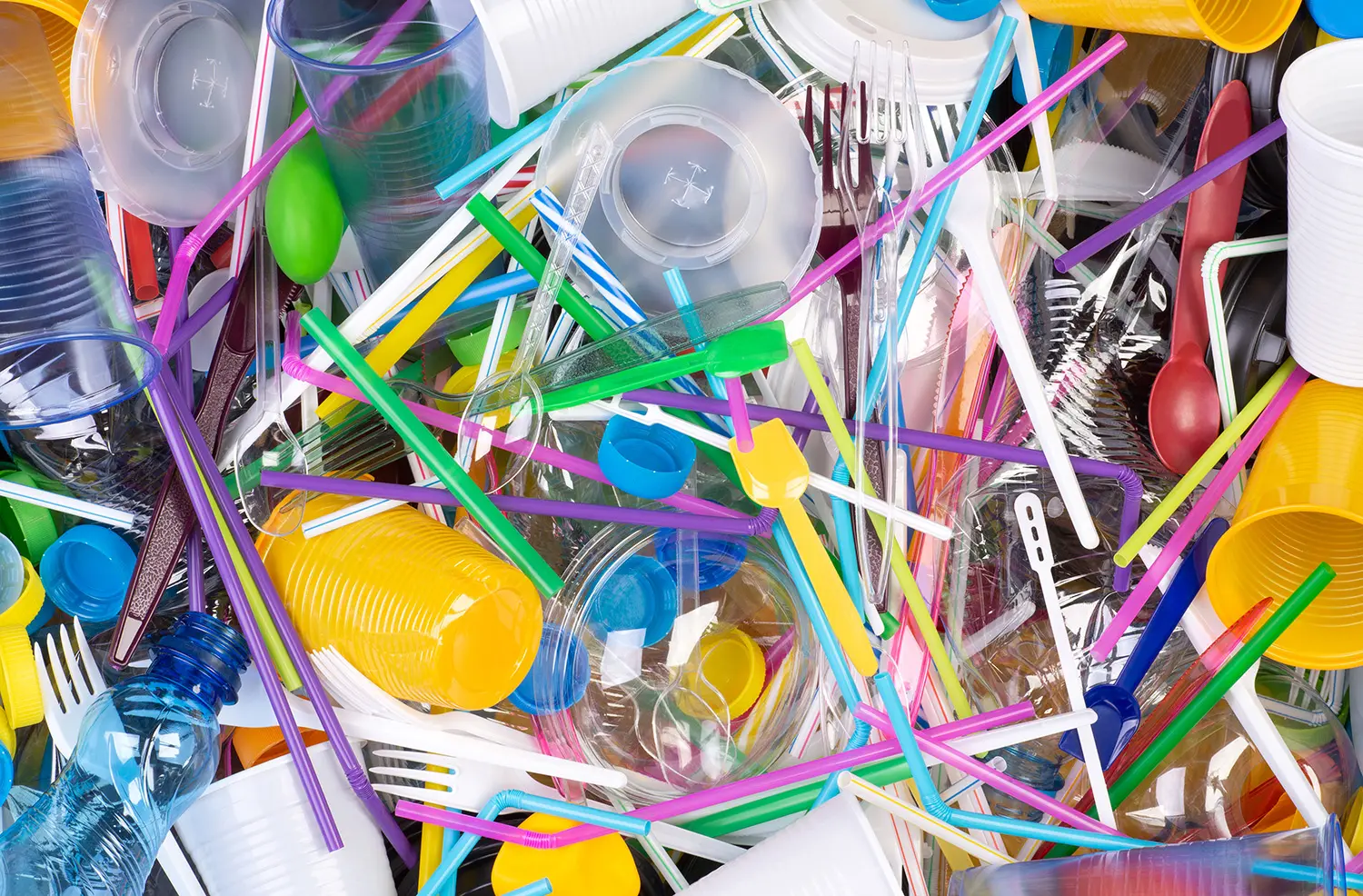
Plastic pollution is no longer just a marine issue—it’s a planetary crisis. Microplastics have been found in human blood, placentas, and breast milk. Plastic production is projected to triple by 2060 if left unchecked, according to the OECD, contributing not just to toxic pollution but also to climate chaos, since 99% of plastic is made from fossil fuels.
The Global Plastics Treaty aims to tackle this root problem by establishing legally binding caps on plastic production and restricting toxic additives and polymers. It’s a historic opportunity to realign the global economy toward sustainability, justice, and public health.
Despite lofty rhetoric, the U.S. is actively obstructing progress. It has rejected calls for global production caps, arguing instead for a “country-driven approach” focused on waste management and recycling. This position, championed by industry groups like the American Chemistry Council, prioritizes corporate profits over environmental survival.
As reported by Climate Home News, the U.S. stance is deeply out of step with the international consensus. Countries from the Global South, often hardest hit by plastic dumping and pollution, are demanding real reductions. Even traditional U.S. allies, like the EU and Canada, are supporting stronger measures than Washington is willing to entertain.
The winners of U.S. inaction are clear: fossil fuel giants, petrochemical firms, and plastics manufacturers. These industries are ramping up production in response to declining oil demand in the transportation sector, positioning plastic as their next lifeline. In the absence of global regulation, they’re free to flood markets with cheap, toxic products—particularly in countries with weak environmental laws.
Meanwhile, the consequences fall on frontline communities and future generations. Low-income neighborhoods near petrochemical plants, often communities of color, face severe health risks from air and water contamination. Developing nations bear the brunt of plastic waste exports. And ecosystems around the world—from coral reefs to Arctic ice—are being suffocated.
The U.S. refusal to lead on plastics reflects a broader erosion of environmental credibility. Just as it surrendered its scientific dominance by dismantling agencies like NOAA and sidelining climate data, it is now abdicating responsibility in multilateral diplomacy. The result is a dangerous void, where false solutions flourish.
These include greenwashed promises of chemical recycling (which often involves burning plastic waste), voluntary producer responsibility schemes with no enforcement, and technological fixes that ignore root causes. Like the unregulated hydrogen projects or desalination schemes we’ve covered before, they sound promising but deliver little for people or the planet.
We know what works. Cutting plastic production. Phasing out toxic chemicals. Supporting refill and reuse systems. Investing in zero-waste infrastructure. These are great solutions—they’re economically viable, socially equitable, and environmentally sound.
In fact, Break Free From Plastic estimates that a 5% annual reduction in plastic production could reduce global plastic waste by 80% by 2040. Pair that with policies supporting reusable packaging, extended producer responsibility, and just transition programs for workers, and we’d see rapid progress.
Europe, once again, is leading the way. The EU has banned certain single-use plastics, implemented extended producer responsibility frameworks, and supports binding global commitments. By contrast, the U.S. is offering vague, voluntary initiatives like the EPA’s National Strategy to Prevent Plastic Pollution, which critics say lacks enforcement or measurable targets.
The simple answer is: yes, and they must.
Many countries are no longer waiting for American leadership. The Global South, long treated as a dumping ground for plastic waste, is organizing. Africa has adopted regional strategies to reduce single-use plastics. Pacific Island nations are pushing for ambitious treaty provisions. And countries like Rwanda and Chile have already passed sweeping national bans on plastics.
The treaty negotiations in Busan may move forward with or without U.S. support. And if the U.S. refuses to sign a robust treaty, it risks isolation—again. Just like it did with the Kyoto Protocol, just like it did with the Paris Agreement under Trump, and just like it’s doing now with global climate data.
If the U.S. wants to rebuild its credibility, it must confront its addiction to fossil fuels—whether in the form of energy, plastics, or misinformation. That means endorsing binding global targets, breaking ties with petrochemical lobbyists, and investing in better solutions that prioritize health, equity, and sustainability.
It also means treating science, diplomacy, and justice as cornerstones of environmental policy—not as afterthoughts.
The Global Plastics Treaty is not just about straws and bags. It’s a litmus test for whether the world is willing to face the truth about climate chaos, petrochemical capitalism, and planetary limits. The U.S. still has time to join the right side of history. But the clock is ticking.